III · Denesha Advising
Vineyards and cellars that hold up.
Counsel for a small number of growers and wineries in North Carolina and the Southeast.

Site, variety, timing, and process carry through from the field to the cellar. The vineyard and the winery are one process, and the advice treats them as one.
The work is with vineyard owners, wineries, and growers. Some are just getting started. Others are established and want better wine, fewer problems, or a closer fit between how they farm and how they make wine.
The cellar
Stability, faults, fermentation, and blending. Problems are easier to settle when they are caught early.
Hybrids and natives
Variety selection for Southeastern conditions, and wine from the grapes that ripen well in a humid mountain climate.
The vineyard
Planning and site setup, organic and low-intervention growing, and recovery for vineyards in trouble.
Cost and workflow
A quiet look at where a cellar is spending more, or working harder, than it needs to.

How the work goes
A season, start to finish.
-
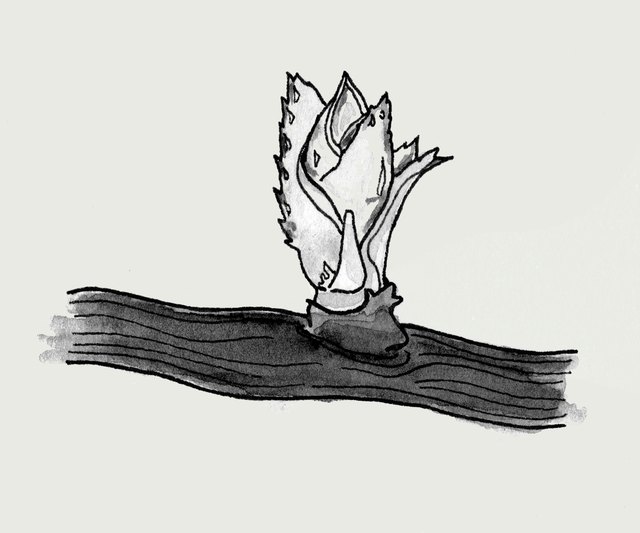
Budbreak
Looking
A first visit, or a first read of the records. What the site and the cellar are actually doing.
-
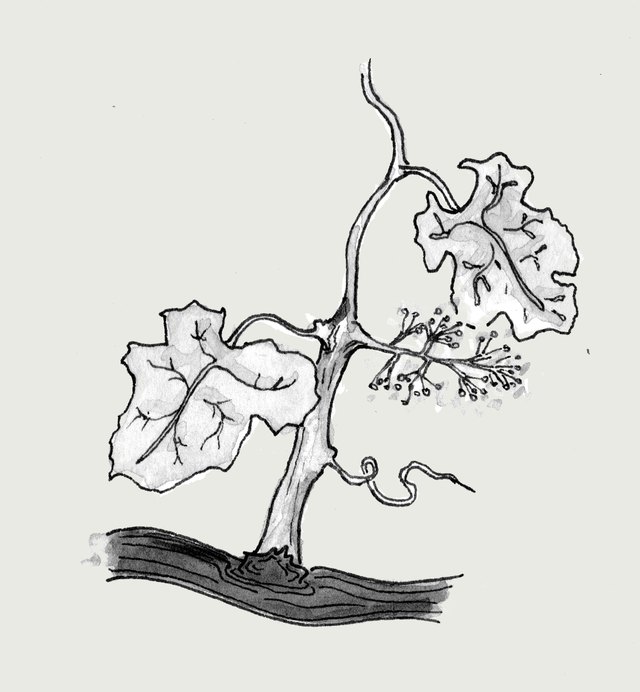
First flowers
Deciding
The early decisions, made deliberately: site, variety, the growing program, the cellar plan.
-
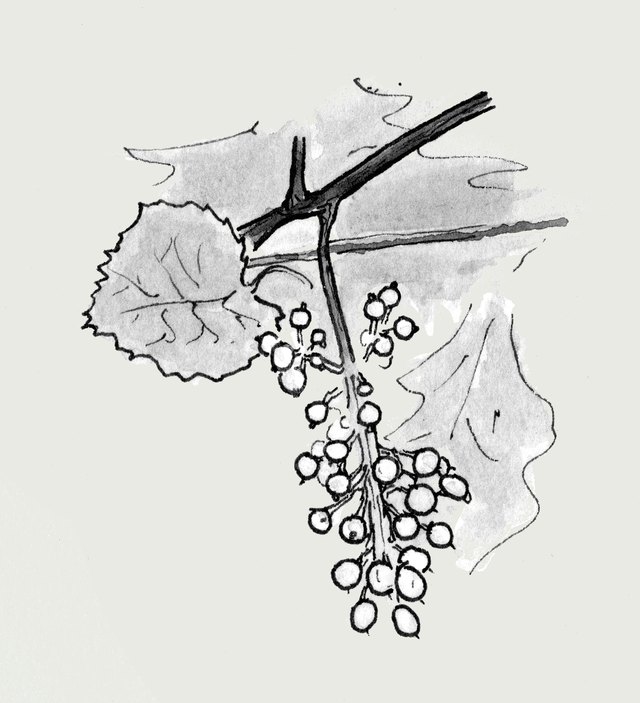
Fruit set
Through the season
Visits and calls at the points where decisions are actually made.
-
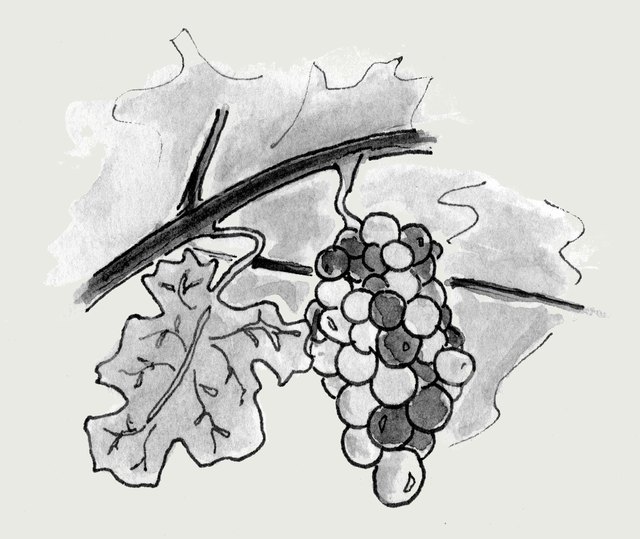
Veraison
Into the cellar
The same thinking carried through fermentation and blending to the finished wine.


Sketches by James Sligh.
Terms
Four ways the work is arranged.
Steady support across vineyard and winery decisions without site visits: a standing monthly conversation, questions answered in writing between, plans and documents read closely.
Grounding, with one visit each month to the vineyard or the cellar, for places that benefit from regular input in person across growing and production.
Ongoing advising with on-site support and priority access, for operations that want consistent involvement across vineyard management and winemaking.
A defined piece of work with a beginning and an end: site planning and installation, variety and planting strategy, organic system design, vineyard recovery, or fermentation and blending.
Experience
From the Pacific to the Blue Ridge.

Chris Denesha has worked in wine since 2007, beginning at Rodney Strong in Sonoma County, and has grown and made wine in Western North Carolina since 2014.
Most of that time has gone to learning what holds up in this region, from the first planting decisions through fermentation and the finished wine. The terrain, the soils, and the weather set real limits. The right decisions are the early ones, carried through.
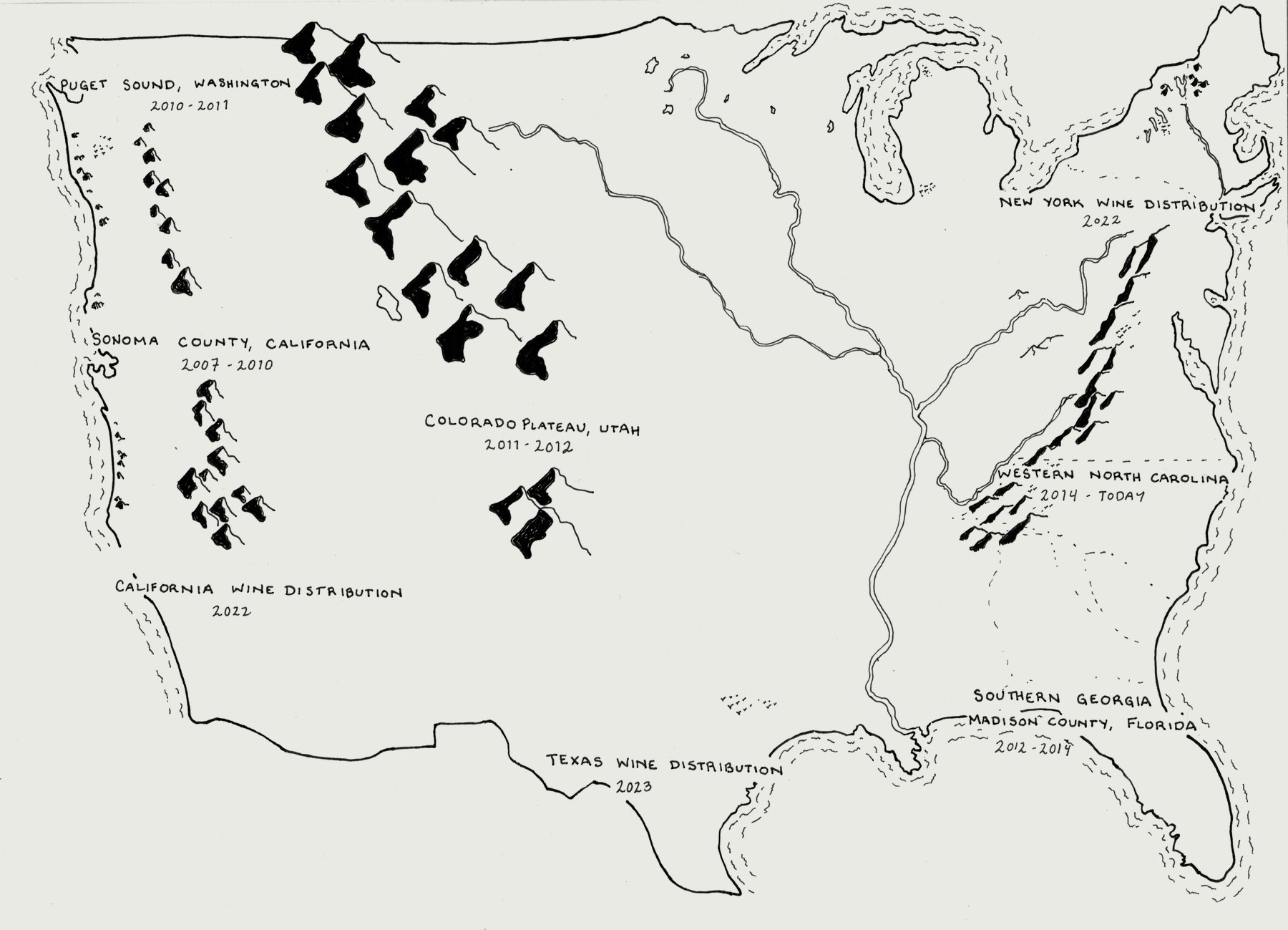
- 2007 to 2010
- Sonoma County, California
- 2010 to 2011
- Puget Sound, Washington
- 2011 to 2012
- Colorado Plateau, Utah
- 2012 to 2014
- Southern Georgia and Madison County, Florida
- 2014 to today
- Western North Carolina
- 2022 and 2023
- Wine distribution in California, New York, and Texas
This is long-term work, and engagements are few. Inquiries may be addressed to chris@deneshafarms.com.